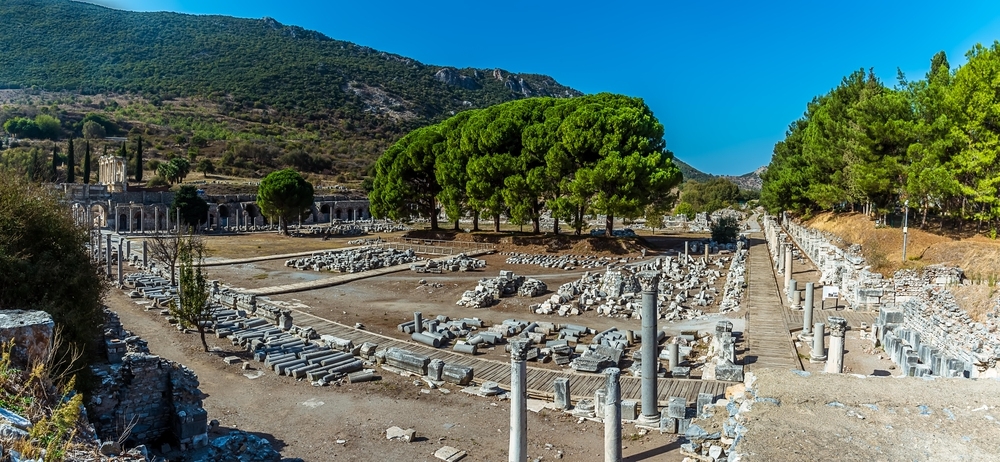
Few ancient cities captivate the imagination like Ephesus. Once a thriving port, a cultural powerhouse, and one of the most important cities of the Roman world, Ephesus eventually faded into silence. This raises one of the most frequently asked historical questions today: why was Ephesus abandoned?
What happened to Ephesus was not the result of a single catastrophe. Instead, it was a slow and complex process shaped by environmental change, economic decline, invasions, and natural disasters. Over centuries, the city gradually lost the advantages that had once made it one of the greatest metropolises of antiquity.
To better understand the city’s historical context, layout, and surroundings, explore our Ephesus destination .
At its height, Ephesus was among the largest and most influential cities of the Roman Empire. During the 1st and 2nd centuries CE, it served as a political, commercial, and cultural center for the entire region of Asia Minor.
The prosperity of Ephesus depended heavily on maritime trade. Ships from across the Roman world arrived at its harbor carrying goods, wealth, and ideas. This constant flow made Ephesus one of the richest and most cosmopolitan cities of its time.
Once this maritime connection weakened, the city’s economic foundation began to collapse—an essential reason why Ephesus lost its importance.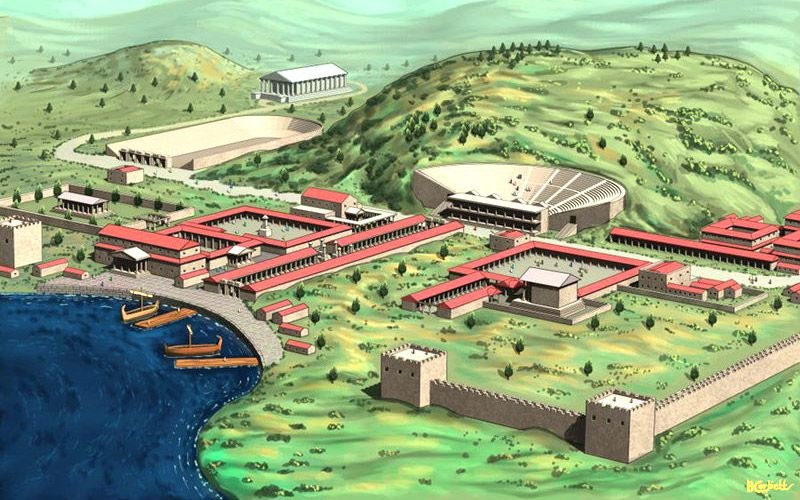
The most important answer to why was Ephesus abandoned lies in the gradual silting of its harbor. Ephesus was located near the mouth of the Cayster River, which continuously carried sediment into the harbor basin.
This long-term process is known today as the Ephesus silting harbor phenomenon.
Roman authorities recognized the problem early and invested heavily in dredging operations and river engineering. Despite these efforts, sediment accumulated faster than it could be removed.
Eventually, natural forces prevailed. As maritime access disappeared, Ephesus lost its role as a trade center, accelerating the broader Ephesus history decline.
For a clearer understanding of how the ancient harbor once connected Ephesus to the sea, see our Ephesus destination .
Ephesus lay in a seismically active region. Over the centuries, repeated earthquakes damaged aqueducts, public buildings, and residential areas, placing enormous strain on the city’s resources.
From the 3rd century CE onward, Ephesus faced invasions, including Gothic raids that disrupted trade and damaged infrastructure. Political instability across the Roman Empire further weakened the city’s ability to recover.
Each disaster compounded existing problems. With declining trade and fewer resources, rebuilding efforts became increasingly limited.
By the early Byzantine period, Ephesus was no longer a functional harbor city. The coastline had shifted several kilometers away, making maritime trade impossible.
As economic opportunities vanished, residents gradually relocated to coastal areas or fortified hilltop settlements. Urban life within Ephesus slowly disappeared.
Rather than a sudden destruction, Ephesus experienced a slow abandonment. Over time, once-busy streets fell silent, and monumental buildings were left to decay.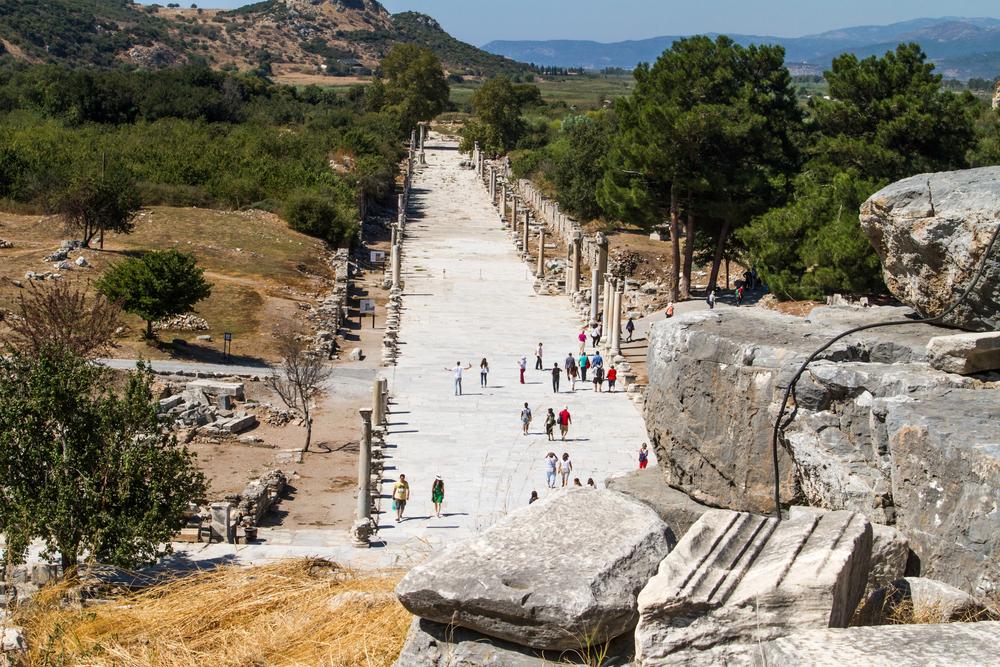
Ephesus demonstrates how closely ancient cities depended on their natural environment. When geography changed, even the most powerful cities could not adapt indefinitely.
Cities that relied on a single economic advantage—such as maritime trade—were especially vulnerable to long-term environmental change.
Ironically, the same forces that caused Ephesus’s decline also preserved it. Covered by sediment and left untouched, the ruins survived in remarkable condition.
To explore how geography shaped the city and why it remains so well preserved today, visit our Ephesus destination .
So, why was Ephesus abandoned? The primary reason was environmental change—especially the silting of its harbor—combined with economic decline, invasions, natural disasters, and shifting trade routes.
Once Ephesus lost its connection to the sea, it lost the foundation of its power. Today, its ruins stand as a powerful reminder that even the greatest cities are shaped—and sometimes undone—by nature and time.
If you want to experience this extraordinary ancient city with expert context and insight, begin with our Ephesus destination and discover how history still speaks through stone.

I hold a degree in International Finance and Trade and completed my Master’s degree in Tourism Management at Adnan Menderes University. Since 2013, I have been actively involved in the tourism industry, working across various areas of travel operations, tour planning, and destination-focused services.
Throughout my career, I have combined my academic background with hands-on industry experience, contributing to tour development, customer experience, and content creation for travel-oriented platforms. My work focuses on presenting destinations in a clear, trustworthy, and engaging way for international travelers.
I see travel as more than just movement from one place to another—it is a powerful way to understand cultures, history, and people through direct experience. With this perspective, I aim to share authentic insights and practical knowledge in a sincere and accessible tone.
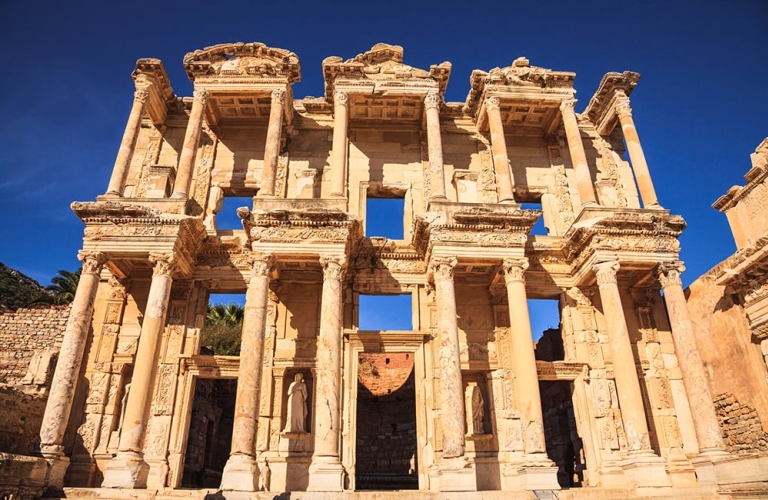
Join this unforgettable Ephesus tour from Izmir. Visit Virgin Mary House, Ephesus ruins, Temple of Artemis & Sirince village with lunch.
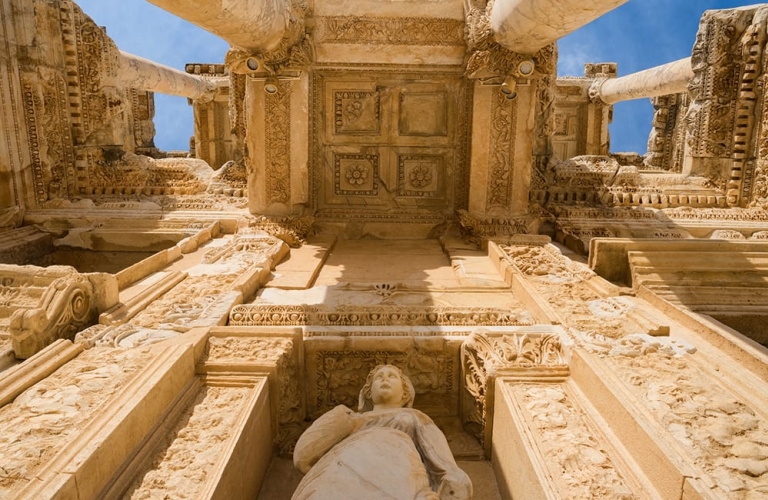
Enjoy a private Ephesus day tour from Izmir with personalized guidance and flexible itineraries.
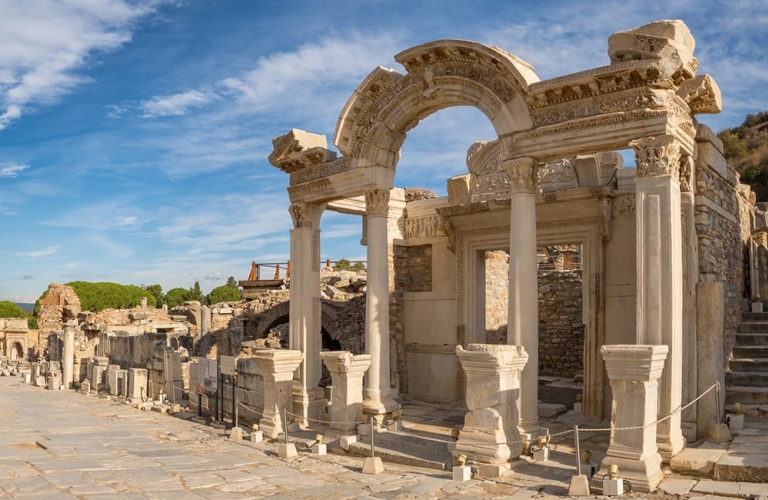
Discover Ephesus from Kusadasi with lunch included, exploring history and ancient architecture.
Disclosure Notice
By filling out this form, you agree that the personal data you provide to us will be processed in accordance with the Personal Data Protection Law No. 6698 and related legislation.
Your personal data will be processed solely for responding to your application, evaluating your requests, and fulfilling legal obligations; it will not be shared with third parties.
For detailed information, you can review our Privacy Policy.
By submitting the form, you acknowledge and consent to the processing of your personal data for the purposes specified above.

