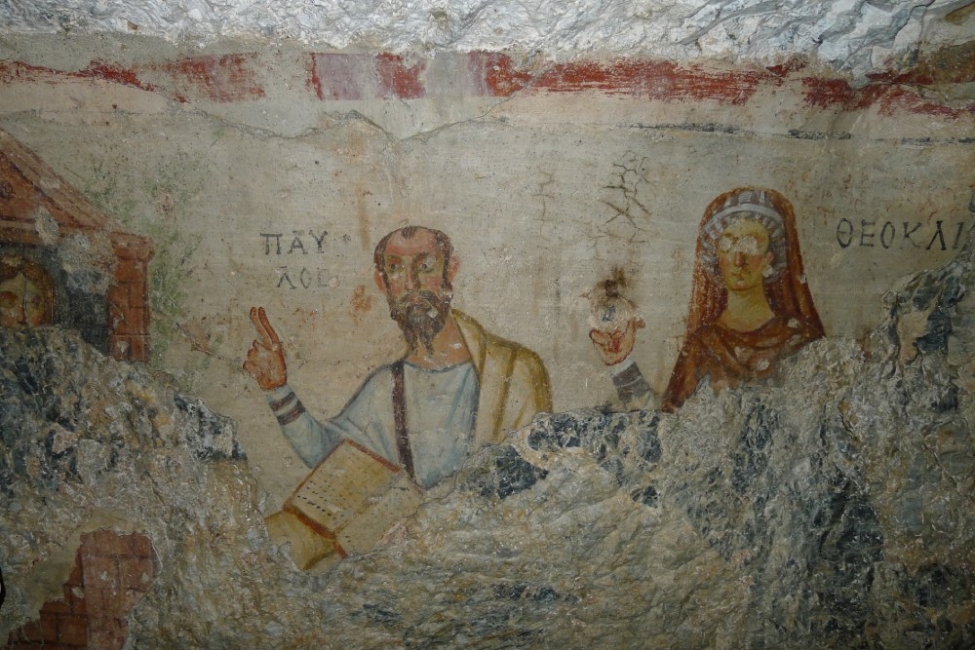
Many travelers and Bible readers ask where was Ephesus in the Bible and why this ancient city plays such a central role in early Christianity. Ephesus was not only a major Roman city but also one of the most influential centers of Christian teaching during the first century.
This guide explains where Ephesus appears in the Bible, what happened to the church in Ephesus, the role of Saint Paul, and why Ephesus remains spiritually significant today.
In biblical times, Ephesus was a prominent city in the Roman province of Asia (modern-day western Turkey). When people ask where is Ephesus in the Bible, the answer spans several books of the New Testament.
Ephesus is mentioned in:
Because of its size, influence, and pagan background, Ephesus became a strategic location for spreading early Christianity.
One of the most direct biblical connections to Ephesus is Paul’s Letter to the Ephesians. This epistle focuses on unity, faith, grace, and the identity of the early Christian church.
Paul wrote to encourage believers in Ephesus to remain faithful in a city deeply rooted in pagan worship, especially the cult of Artemis. His teachings helped shape Christian theology for generations.
Many scholars believe the letter was intended not only for Ephesus but also for surrounding Christian communities in Asia Minor.
A common question is how long was Paul in Ephesus and when was Paul in Ephesus.
According to the Book of Acts, Paul stayed in Ephesus for approximately three years, making it one of the longest missionary stays of his ministry.
During this time:
These events culminated in a major riot described in Acts 19, highlighting how impactful Paul’s mission in Ephesus truly was.
Another key biblical reference appears in the Book of Revelation. The Church of Ephesus is addressed as the first of the Seven Churches of Asia.
When people ask where was the church of Ephesus or where is the church of Ephesus, they are referring to the Christian community established in the city during the first century.
In Revelation, the church is praised for its perseverance and doctrinal purity but is also warned for having lost its “first love.” This message remains one of the most well-known passages connected to Ephesus.
So, what happened to the church in Ephesus after the biblical period?
The Christian community continued for centuries, but like the city itself, it eventually declined due to:
Over time, the population moved away, and Ephesus was gradually abandoned, leaving behind the remarkable ruins seen today.
Although no active church remains, visitors can still explore places closely associated with biblical history, including:
Many travelers explore these locations as part of a faith-based journey through western Turkey. One of the most meaningful ways to experience this heritage is through the 7 Churches of Revelation Tour .
Understanding where was Ephesus in the Bible reveals why this ancient city played such a crucial role in early Christianity. Through Paul’s ministry, the establishment of the church, and its mention in Revelation, Ephesus became a spiritual landmark whose influence continues today.
For believers and history enthusiasts alike, Ephesus offers a powerful connection between biblical texts and the physical world.

I hold a degree in International Finance and Trade and completed my Master’s degree in Tourism Management at Adnan Menderes University. Since 2013, I have been actively involved in the tourism industry, working across various areas of travel operations, tour planning, and destination-focused services.
Throughout my career, I have combined my academic background with hands-on industry experience, contributing to tour development, customer experience, and content creation for travel-oriented platforms. My work focuses on presenting destinations in a clear, trustworthy, and engaging way for international travelers.
I see travel as more than just movement from one place to another—it is a powerful way to understand cultures, history, and people through direct experience. With this perspective, I aim to share authentic insights and practical knowledge in a sincere and accessible tone.
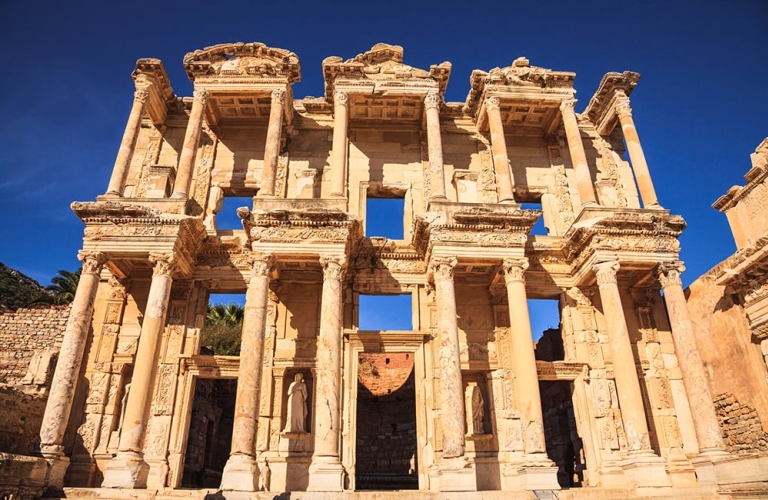
Join this unforgettable Ephesus tour from Izmir. Visit Virgin Mary House, Ephesus ruins, Temple of Artemis & Sirince village with lunch.
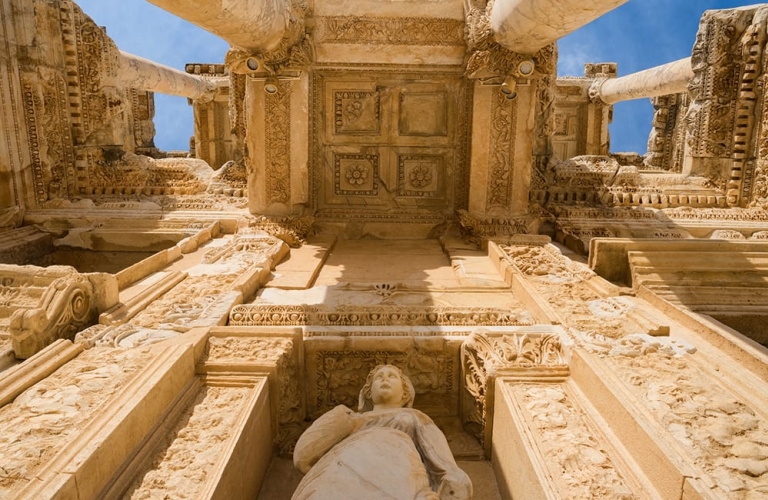
Enjoy a private Ephesus day tour from Izmir with personalized guidance and flexible itineraries.
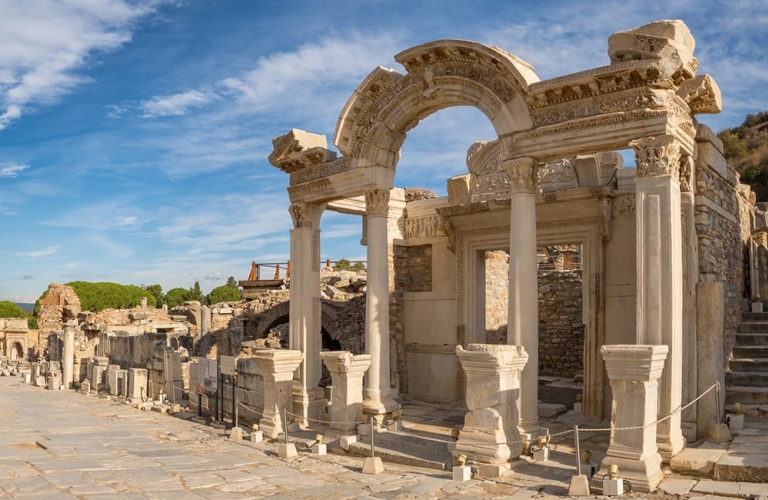
Discover Ephesus from Kusadasi with lunch included, exploring history and ancient architecture.
Disclosure Notice
By filling out this form, you agree that the personal data you provide to us will be processed in accordance with the Personal Data Protection Law No. 6698 and related legislation.
Your personal data will be processed solely for responding to your application, evaluating your requests, and fulfilling legal obligations; it will not be shared with third parties.
For detailed information, you can review our Privacy Policy.
By submitting the form, you acknowledge and consent to the processing of your personal data for the purposes specified above.

