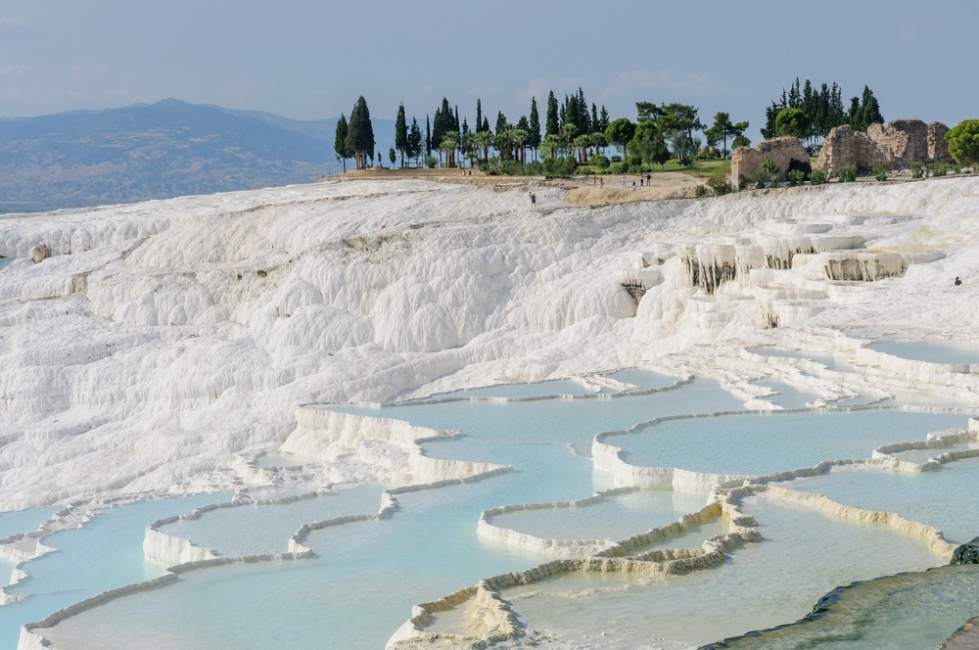
When travelers first see photographs of Pamukkale, the landscape almost looks unreal. Cascading white terraces filled with turquoise pools appear like frozen waterfalls or clouds flowing down a hillside. This breathtaking natural wonder often raises a common question among travelers: what is Pamukkale?
Pamukkale is one of Turkey’s most famous natural attractions and a UNESCO World Heritage Site visited by millions each year. Located in southwestern Turkey, it is best known for its brilliant white terraces formed by mineral-rich thermal waters. These terraces create the appearance of a giant natural staircase made of shining white stone.
Beyond its unique geological formations, Pamukkale also sits beside the ancient city of Hierapolis, which adds a rich historical dimension to the destination. Visitors can explore Roman ruins, ancient baths, temples, and even swim in thermal pools that have attracted travelers for thousands of years.
To explore the area in greater detail and learn about visiting routes and nearby attractions, you can also check our Pamukkale destination guide before planning your trip.
So, what is Pamukkale Turkey exactly? Pamukkale is a natural geological formation consisting of white travertine terraces created by thermal waters rich in calcium carbonate.
Over thousands of years, mineral-rich water flowing from underground springs cooled and deposited calcium carbonate on the hillside. These deposits gradually built up into dazzling white terraces that cascade down the slope like giant steps.
The terraces are filled with shallow thermal pools where visitors can walk barefoot and enjoy the warm water while admiring the surrounding landscape.
In addition to its natural beauty, Pamukkale is closely linked with the ancient spa city of Hierapolis, which developed around the thermal springs during the Hellenistic and Roman periods.
Very few destinations combine natural geological formations and ancient archaeological ruins as dramatically as Pamukkale.
Many travelers also wonder about the meaning behind the name. The word Pamukkale comes from the Turkish language and translates to “Cotton Castle.”
The name reflects the appearance of the bright white terraces that resemble soft cotton or clouds draped over a hillside.
When sunlight reflects off the white travertine formations, the landscape takes on a brilliant glow that strengthens the comparison to cotton fields.
Over time, the phrase Pamukkale cotton castle became the most recognizable nickname for this extraordinary natural site.
One of the most fascinating aspects of Pamukkale is understanding how the terraces were formed.
Pamukkale sits above a network of underground geothermal springs. These springs produce warm water rich in calcium carbonate and other minerals.
When the hot water reaches the surface and begins to cool, it releases carbon dioxide. This chemical reaction causes calcium carbonate to precipitate and form solid deposits known as travertine.
Layer by layer, these deposits gradually built the terraces that visitors see today. The process continues even today, though careful conservation measures protect the formations.
If you want to explore more about this unique geological site and the surrounding area, visit our Pamukkale destination guide for additional information.
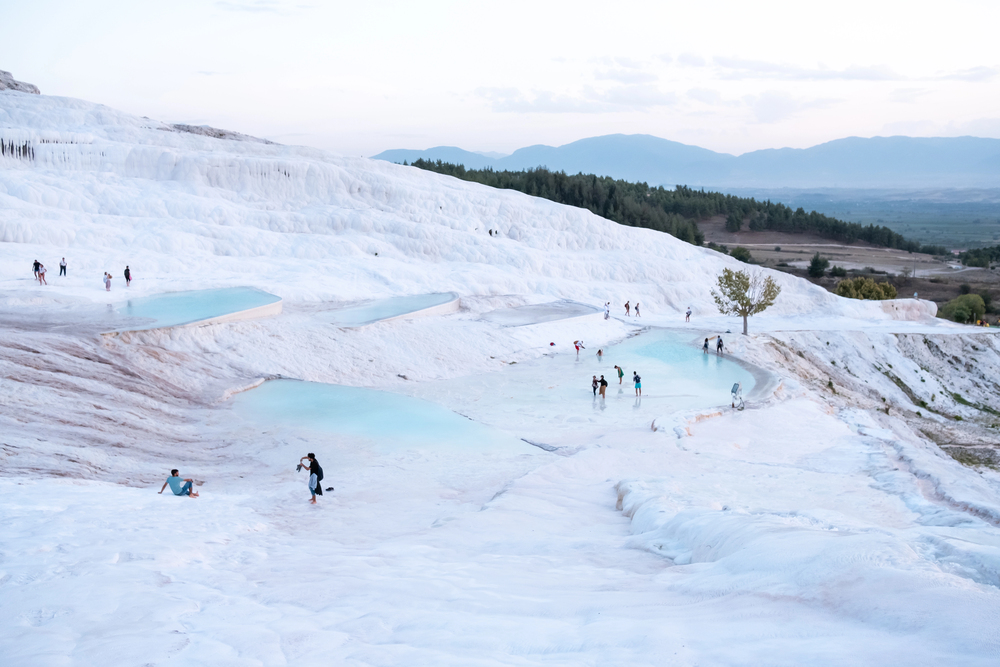
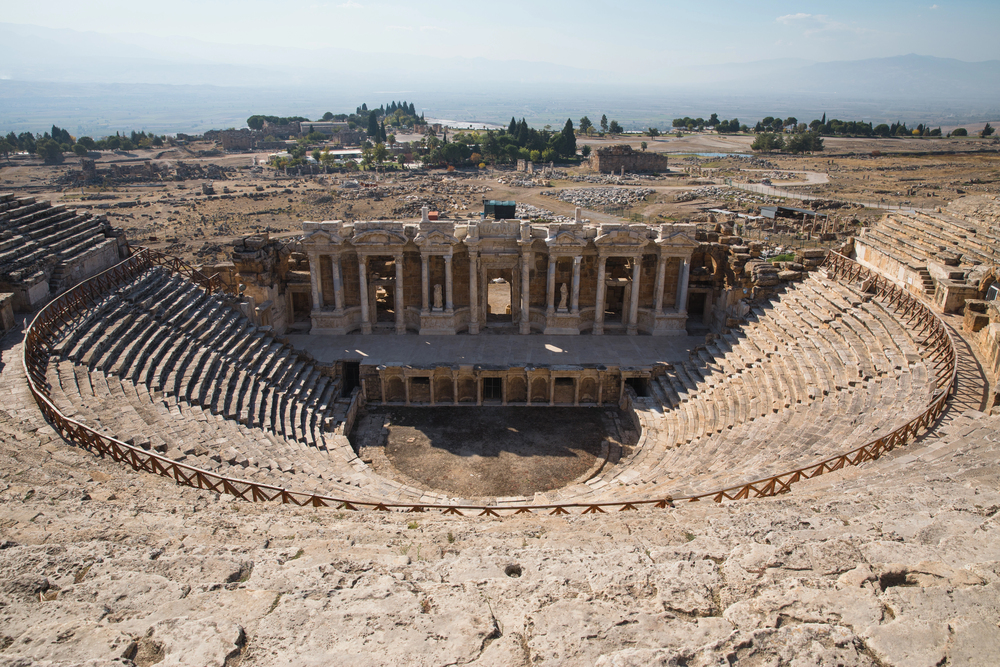
Above the terraces lies the ancient city of Hierapolis, which played a major role in the region’s history.
Hierapolis developed around Pamukkale’s thermal springs and became a famous spa destination during Roman times. Wealthy visitors traveled here to bathe in the mineral-rich waters believed to have healing properties.
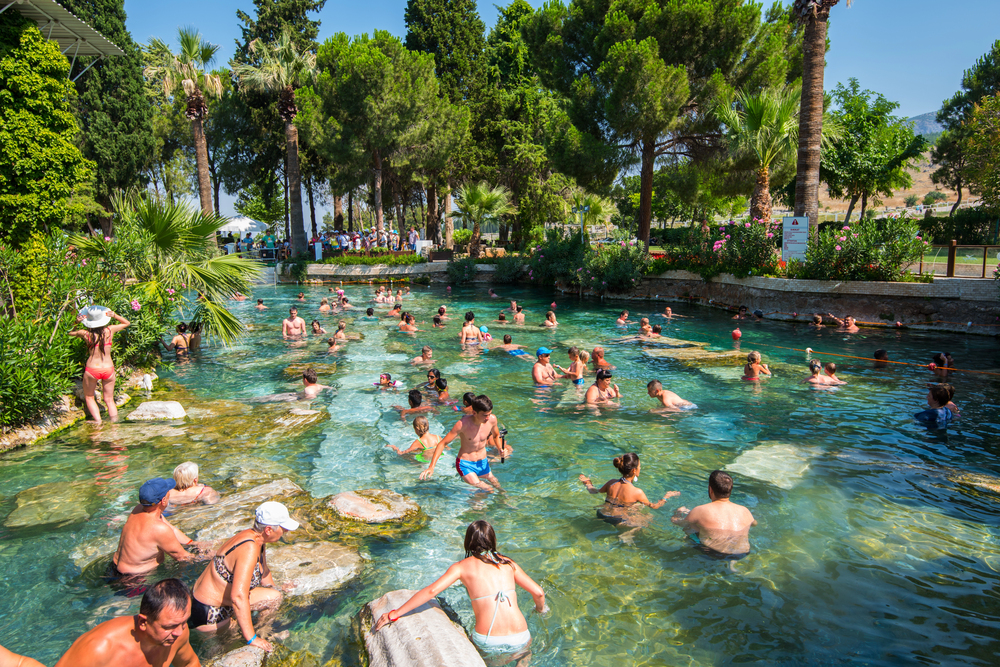
One of the most popular experiences in Hierapolis today is swimming in Cleopatra’s Pool, a thermal pool filled with ancient marble columns.
Pamukkale was recognized as a UNESCO World Heritage Site in 1988 due to its exceptional natural beauty and historical significance.
The travertine terraces are among the most unique geological formations in the world.
The ruins of Hierapolis add archaeological value to the site, representing an important Roman spa city.
To protect the fragile terraces, visitors must remove their shoes when walking on certain areas and follow designated paths.
Today, Pamukkale is internationally recognized as one of Turkey’s most iconic landmarks.
The terraces remain the most photographed feature of the region.
The mineral-rich springs continue to attract visitors seeking relaxation and wellness experiences.
The terraces take on a golden glow at sunset, creating one of the most beautiful scenes in Turkey.
Travelers interested in visiting the terraces and exploring the ancient ruins nearby can learn more through our Pamukkale destination guide.
So, what is Pamukkale? Pamukkale is a breathtaking natural wonder created by mineral-rich thermal waters that formed brilliant white travertine terraces over thousands of years. Combined with the ancient city of Hierapolis, it offers a rare blend of natural beauty and historical significance.
Whether you are interested in geology, history, photography, or relaxation, Pamukkale provides an unforgettable travel experience.
To discover travel routes, nearby attractions, and visitor tips for exploring the famous Cotton Castle, explore our Pamukkale destination guide and start planning your visit.

I hold a degree in International Finance and Trade and completed my Master’s degree in Tourism Management at Adnan Menderes University. Since 2013, I have been actively involved in the tourism industry, working across various areas of travel operations, tour planning, and destination-focused services.
Throughout my career, I have combined my academic background with hands-on industry experience, contributing to tour development, customer experience, and content creation for travel-oriented platforms. My work focuses on presenting destinations in a clear, trustworthy, and engaging way for international travelers.
I see travel as more than just movement from one place to another—it is a powerful way to understand cultures, history, and people through direct experience. With this perspective, I aim to share authentic insights and practical knowledge in a sincere and accessible tone.
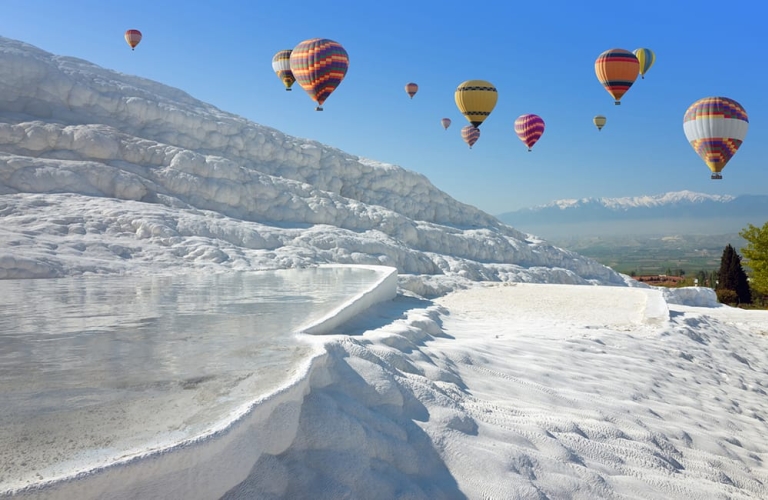
Discover Pamukkale from Kusadasi with lunch, featuring travertines and ancient Hierapolis.
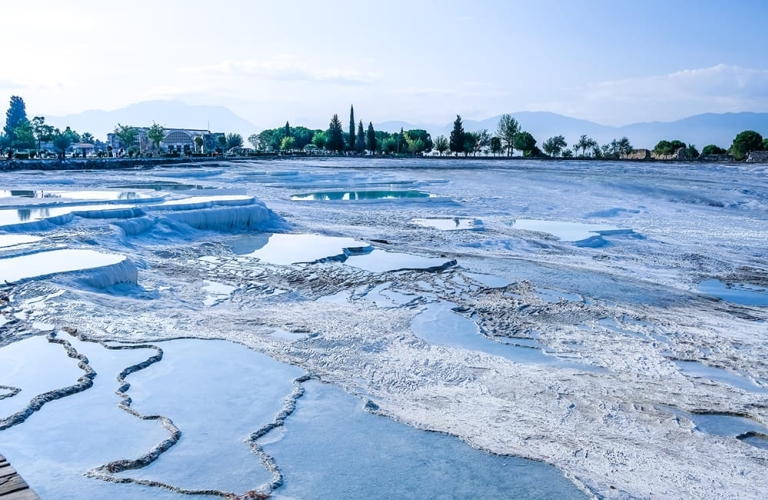
Explore Pamukkale on a day tour from Izmir, combining natural wonders and ancient history.
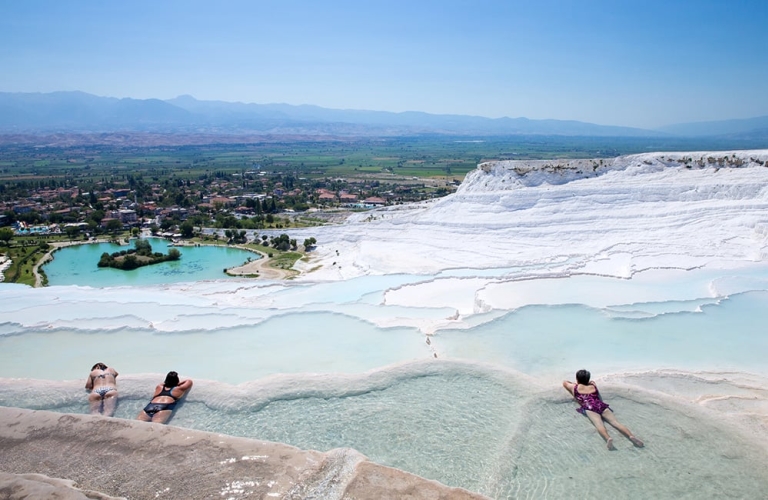
Wander around in the ancient city of Hierapolis and make stunning pictures. A must see when you are in Turkey.
Disclosure Notice
By filling out this form, you agree that the personal data you provide to us will be processed in accordance with the Personal Data Protection Law No. 6698 and related legislation.
Your personal data will be processed solely for responding to your application, evaluating your requests, and fulfilling legal obligations; it will not be shared with third parties.
For detailed information, you can review our Privacy Policy.
By submitting the form, you acknowledge and consent to the processing of your personal data for the purposes specified above.

