Located in southeastern Türkiye, Şanlıurfa is a destination where ancient history, religious traditions, archaeological discoveries and living culture come together. Often called the City of Prophets, Şanlıurfa welcomes visitors with sacred sites, atmospheric bazaars, traditional stone architecture and some of the most remarkable prehistoric remains in the world. It is also a place where local cuisine is an essential part of the travel experience.
For travellers interested in the origins of civilisation, biblical and Islamic traditions, or the cultural heritage of Mesopotamia, a Şanlıurfa Turkey travel guide offers far more than a checklist of attractions. The city invites you to explore how communities have lived, worshipped, traded and shared stories across thousands of years.
From the monumental stone pillars of Göbeklitepe to the peaceful waters of Balıklıgöl and the distinctive beehive houses of Harran, there is plenty to discover. If you are planning a visit, explore our Şanlıurfa destination guide to start planning your journey through this extraordinary region.
Şanlıurfa stands out because it brings together several different travel experiences in one destination. Archaeology enthusiasts can explore prehistoric sites and museum collections, while visitors interested in religion and history can discover places associated with Prophet Abraham and other revered figures. Traditional markets, historic neighbourhoods and regional food add another dimension to the journey.
The wider region has been shaped by its position in Upper Mesopotamia, an area closely connected with the development of early communities and agriculture. Its long history is reflected in archaeological sites, ancient settlements, religious buildings and local traditions that remain part of everyday life.
Şanlıurfa is widely associated with Prophet Abraham in Islamic tradition. Stories about Abraham, King Nimrod and the miraculous transformation of fire into water are closely connected with Balıklıgöl and the surrounding religious complex. These narratives have helped establish the city's reputation as a place of pilgrimage and spiritual interest.
It is important to understand these stories as religious traditions rather than archaeological proof of every event described. For many visitors, however, their cultural and spiritual significance is an essential part of experiencing the city.
Beyond its religious heritage, Şanlıurfa is one of the most compelling destinations for travellers interested in early human history. Göbeklitepe, located outside the city, features monumental structures built by communities during the Pre-Pottery Neolithic period. Its decorated T-shaped limestone pillars have changed how researchers understand early monumental architecture and ritual activity.
The surrounding region also contains historic settlements, ancient religious sites and landscapes that help explain the long relationship between people and their environment. A visit to Şanlıurfa can therefore combine the experience of a modern Turkish city with a journey into humanity's distant past.
Göbeklitepe is one of the most important archaeological sites associated with Şanlıurfa. Its monumental structures date broadly to between approximately 9600 and 8200 BCE, during the Pre-Pottery Neolithic period. The site became a UNESCO World Heritage Site in 2018.
Its best-known features are large T-shaped limestone pillars, some decorated with reliefs of animals such as foxes, snakes and birds. These pillars form part of circular, oval and rectangular architectural enclosures. The structures demonstrate that communities traditionally described as hunter-gatherers were capable of organising substantial building projects long before the emergence of cities as we know them.
Researchers believe the monumental enclosures were associated with communal and ritual activities, although the precise purpose of every structure is not fully understood. Rather than presenting Göbeklitepe as a mystery with a simple answer, it is more rewarding to see it as an archaeological site that continues to deepen our understanding of early societies.
Allow enough time to explore the visitor areas and interpretive displays rather than treating Göbeklitepe as a quick photo stop. A knowledgeable guide can help explain the archaeological context and distinguish established findings from ongoing scholarly interpretations.
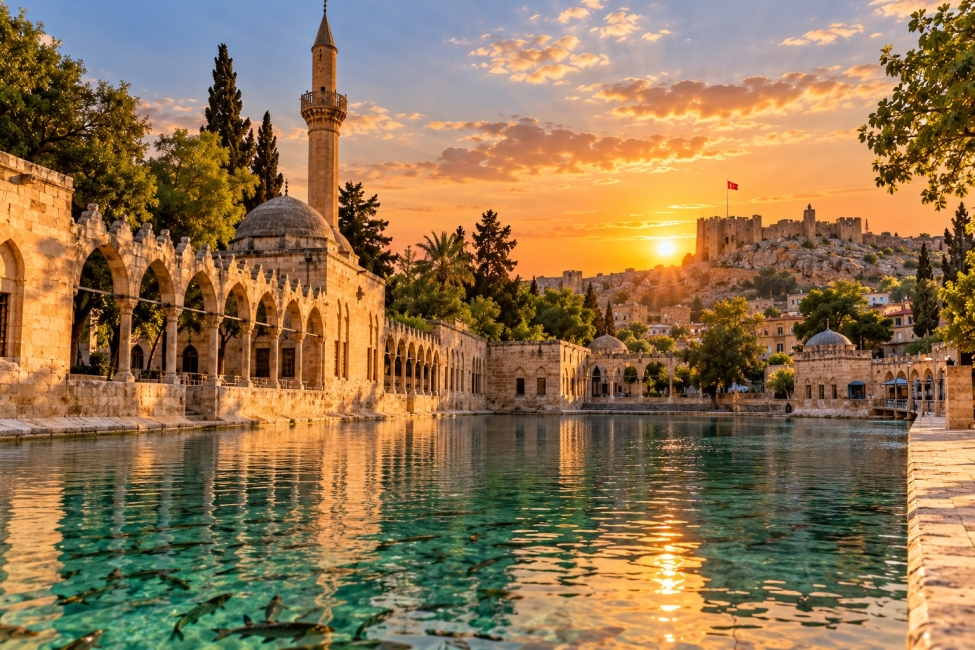
Balıklıgöl, also known as the Pool of Sacred Fish, is among the most recognisable landmarks in Şanlıurfa. Located in the historic city centre, it is surrounded by mosques, courtyards, gardens and other religious sites. The atmosphere is especially memorable for visitors who enjoy exploring places where local traditions remain visible in daily life.
According to a well-known Islamic tradition, Prophet Abraham challenged the idol worship of King Nimrod and was sentenced to be thrown into a great fire. In the story, the fire was transformed into water and the burning wood became fish. Balıklıgöl is traditionally associated with this miraculous event, and the fish in the pool are treated with respect.
The story is central to the site's spiritual identity, but it should be understood as a religious tradition rather than a claim verified by archaeology. Visitors of different backgrounds come here to appreciate its religious importance, architecture and tranquil setting.
Balıklıgöl is best explored at a relaxed pace. Dress respectfully, be considerate around people praying and avoid disturbing the fish. Since the complex is centrally located, it can easily be combined with a visit to the traditional bazaars and nearby museums.
The Şanlıurfa Archaeology Museum provides valuable context for the archaeological heritage of the city and its surrounding region. Its collections cover different periods of human history, with a particular emphasis on the Neolithic era and the ancient communities that lived in Upper Mesopotamia.
One of the most notable objects associated with the museum is the so-called Urfa Man, a prehistoric human statue generally dated to the ninth millennium BCE. The collection also helps visitors understand the cultural setting of Göbeklitepe and other archaeological discoveries from the region.
Visiting the museum before or after Göbeklitepe can make the archaeological site more meaningful. Objects displayed indoors offer additional details about artistic practices, daily life and the development of early communities that cannot always be understood from the ruins alone.
Located near the Şanlıurfa Archaeology Museum, the Haleplibahçe Mosaic Museum is another important stop for travellers interested in art and archaeology. It is particularly known for mosaics depicting Amazon women and for the celebrated Orpheus mosaic, which reflects the artistic traditions of the ancient world.
The museum makes a useful contrast with Göbeklitepe. While the prehistoric site reveals early monumental architecture, the mosaics demonstrate the sophistication of later artistic traditions. Together, these collections help tell a broader story of the region's changing cultures.
For a different perspective on Şanlıurfa, explore the historic centre and the area around Şanlıurfa Castle. The elevated setting offers views across the city, while the surrounding neighbourhoods preserve traces of the region's traditional urban character.
As you walk through the old streets, look for traditional stone houses, historic religious buildings, narrow lanes and courtyards. The city's architectural heritage is not limited to major monuments; much of its atmosphere comes from the relationship between these smaller spaces and the everyday life unfolding around them.
Because access arrangements at historic structures can change, check local visitor information before planning to enter the castle itself. Even when a particular area is not accessible, the wider historic district remains worth exploring.
The traditional bazaars are among the best places to experience the city's everyday culture. Rather than visiting only the main monuments, set aside time to wander through the historic market area, where workshops and small shops sell spices, textiles, metalwork and regional products.
Gümrük Han is a historic inn and gathering place where visitors can pause for tea or traditional coffee while taking in the atmosphere of the old commercial district. Its courtyard offers a welcome break from sightseeing and provides an opportunity to observe the slower rhythm of local life.
The historic Hüseyniye bazaars are associated with traditional crafts, including copperwork. The sound of artisans working, the displays of handmade goods and the narrow market passages make this area especially interesting for visitors who enjoy cultural photography and local shopping.
When buying souvenirs, take time to speak with shopkeepers, ask about the materials and techniques used, and compare products before making a purchase. These small interactions can become memorable parts of a trip.
Some visitors arrive in Şanlıurfa mainly to see Göbeklitepe, but the city offers enough variety to justify a longer stay. Archaeology, religious heritage, traditional architecture, museums and regional cuisine each reveal a different aspect of the destination.
Exploring only the prehistoric site means missing the atmosphere of Balıklıgöl, the stories connected with the old city, the collections in the museums and the experience of the traditional markets. Combining these attractions creates a more complete understanding of Şanlıurfa.
To organise your visit around the places that interest you most, browse the Şanlıurfa destination guide and use it as a starting point for planning your time in southeastern Türkiye.
Located south of Şanlıurfa, Harran is one of the region's most distinctive historic settlements. It is known for its traditional beehive-shaped houses, archaeological remains and long history as a centre of trade, learning and cultural exchange. For visitors looking for things to do in Sanliurfa beyond the city centre, Harran is an essential addition to the itinerary.
Harran occupied an important position within the wider Mesopotamian world. Its history extends across multiple periods, and its location helped connect communities, commercial routes and intellectual traditions. Today, the settlement offers a fascinating combination of historic ruins and traditional architecture.
The distinctive domed houses are built using traditional techniques and are designed to respond to the region's hot, dry climate. Their shape and construction make them instantly recognisable, and they have become one of the most photographed features of the Harran landscape.
Some houses are preserved or presented for visitors, providing an opportunity to learn about traditional building methods and domestic life. When visiting, remember that some historic-looking buildings may be private homes or active cultural spaces. Follow local guidance and ask permission before photographing people or entering private property.
The archaeological area includes remains associated with Harran's long urban history. The Great Mosque's ruins and the historic fortifications help visitors imagine the scale and importance of the settlement in earlier centuries.
Harran is particularly rewarding when explored with a guide who can explain the different historical periods and distinguish surviving archaeological evidence from later stories and local traditions. Combine the ruins with a visit to the traditional houses to appreciate both the monumental and domestic sides of the settlement.
Soğmatar, located in the wider Şanlıurfa region, is an archaeological and cultural site associated with ancient religious traditions, including the worship of celestial bodies. Its remains provide another perspective on the diversity of beliefs that existed in Upper Mesopotamia.
Because Soğmatar lies outside the main city centre, it is best planned as part of a wider regional excursion. Check road conditions and transport arrangements in advance, particularly if you intend to visit several archaeological locations in one day.
Halfeti offers a different landscape from the archaeological sites around Şanlıurfa. Known for its setting beside the Euphrates, the area is associated with boat trips, waterside views and the partially submerged settlement of Savaşan. It can be a memorable addition for travellers who want to combine history with scenery.
Halfeti is not immediately next to the city centre, so allow time for the journey and any planned boat excursion. If you are arranging a short trip, avoid trying to fit too many distant destinations into the same day.
Birecik is known for conservation work involving the northern bald ibis, a distinctive and endangered bird. Visitors interested in wildlife can look into the local breeding and conservation facilities, subject to current visitor access and operating arrangements.
This is a useful option for travellers who want to explore the natural heritage of the region as well as its archaeological and religious history.
Food is a major part of the Şanlıurfa experience. The city's culinary traditions are known for grilled meat, bold spices, fresh herbs, flatbreads and carefully prepared regional dishes. Exploring local food is one of the most enjoyable ways to understand the character of the destination.
Urfa kebab is one of the region's signature dishes. It is typically prepared with seasoned minced meat and cooked over charcoal. Compared with some other regional kebabs, it is often associated with a more restrained heat, although recipes and serving styles vary between restaurants.
Çiğ köfte is closely associated with southeastern Turkish cuisine. Today, the widely available meat-free version is made using fine bulgur, spices, tomato or pepper paste and herbs. Traditional preparations and local interpretations can differ, so ask about the ingredients if you have dietary requirements.
Lahmacun and other regional flatbreads make easy choices for lunch or a casual meal between sightseeing stops. They are often served with fresh greens, lemon and herbs, making them a good introduction to the flavours of the region.
Mırra is a strong, traditionally prepared coffee associated with southeastern Türkiye. It is often served in small quantities and can be part of a social or ceremonial occasion. If you are offered mırra in a traditional setting, take the opportunity to learn about the customs surrounding its preparation and serving.
For a more complete food experience, explore local restaurants and traditional market areas rather than relying exclusively on hotel dining. If you have allergies or dietary restrictions, explain them clearly before ordering, as dishes may contain ingredients that are not immediately obvious.
The ideal length of stay depends on whether your main interest is Göbeklitepe or the wider region. The following itinerary is a useful starting point rather than a fixed schedule.
This schedule covers some of the city's best-known attractions, but it is relatively busy. If you prefer a slower pace, focus on either Göbeklitepe or the city centre rather than rushing through both.
A two-day stay offers a better balance between archaeology, religious heritage and local culture. It also leaves more time to enjoy regional food without turning every stop into a race against the clock.
With three days, you can explore the city at a more relaxed pace and dedicate a full day to Harran. Travellers with additional time may consider Halfeti, Birecik or Soğmatar, depending on their interests and transport arrangements.
These out-of-town destinations are spread across the region, so plan your route carefully. A private vehicle or organised excursion can make it easier to combine multiple stops, particularly if you want to understand the history of each place rather than simply take photographs.
Spring and autumn are often comfortable seasons for exploring Şanlıurfa's archaeological sites and historic neighbourhoods. Temperatures can be high during summer, especially at open-air locations such as Göbeklitepe and Harran, where shade may be limited. Winter can bring cooler weather and occasional rain.
For outdoor sightseeing, consider starting early in the morning and keeping the hottest part of the day for museums, lunch or a rest. If you are visiting during a religious holiday or a popular travel period, expect some sites and central areas to be busier.
Always check the current opening hours, ticket arrangements and access information for museums and archaeological sites before travelling. These details may change seasonally or due to conservation work.
The main attractions in the historic city centre can be combined on foot, although distances between some neighbourhoods and sites can add up. Göbeklitepe, Harran and other regional destinations require additional transport planning. Depending on your itinerary, a taxi, rental vehicle or organised tour may be more practical than relying entirely on local transport.
A guide can add considerable value at Göbeklitepe, Harran and the historic religious sites. Many places are visually impressive, but understanding their context helps visitors connect the architecture, archaeological evidence and traditional stories.
When comparing tours, check which locations are included, how much time is allocated at each stop, whether entrance fees are covered and how transport is arranged. A carefully planned itinerary is often more enjoyable than attempting to cover every attraction in a single day.
Yes. Şanlıurfa offers a distinctive combination of prehistoric archaeology, religious heritage, traditional markets, regional food and historic architecture. It is especially appealing to travellers interested in Göbeklitepe and the cultural history of Upper Mesopotamia.
Şanlıurfa is best known for Göbeklitepe, Balıklıgöl, its association with Prophet Abraham in religious tradition, Harran's beehive houses and its rich culinary culture.
It is possible to visit both in one day with a well-planned schedule. However, the amount of time available for museums, the old city and meals will be limited. Travellers who want a more comprehensive experience should consider staying longer.
Harran is outside the city centre and requires a separate journey. Allow enough time for transport and for exploring both the archaeological remains and the traditional houses. Check your route and transport options before departure.
Yes. The city has a strong religious identity, with sites associated with Islamic traditions and a wider history of cultural and religious diversity. Visitors should approach sacred places respectfully and recognise the difference between religious tradition and archaeological evidence.
Urfa kebab, çiğ köfte, lahmacun and mırra are good starting points for exploring local cuisine. Ask local hosts or restaurant staff about regional specialities and traditional serving customs.
Şanlıurfa is a destination that rewards curiosity. Its prehistoric monuments reveal the ingenuity of early communities, Balıklıgöl reflects the city's enduring religious traditions, and Harran preserves a distinctive architectural and historical landscape. Add the museums, traditional bazaars and regional cuisine, and the result is a journey with many different layers.
Whether you are planning a short visit centred on Göbeklitepe or a longer exploration of southeastern Türkiye, allow enough time to experience the city beyond its most famous landmarks. The conversations, flavours and details encountered along the way can be just as memorable as the major archaeological sites.
Start planning with the Şanlıurfa destination guide and discover how to make the most of your visit to Turkey's City of Prophets and Ancient Mysteries.

I graduated from Istanbul University with a degree in Radio, Television, and Cinema. During my academic journey, I focused on storytelling, visual communication, and cultural content creation, while my personal interests led me toward exploration and discovery.
Traveling, discovering new places, and experiencing different cultures are at the heart of my life. My strong interest in mythology allows me to see destinations not only as physical locations but as narratives shaped by history and meaning. My passion for reading continuously enriches and deepens this perspective.
I truly enjoy meeting new people and learning about diverse ways of life. With this mindset, I aim to share my experiences in a sincere, clear, and engaging way.
I love following the traces of stories wherever I go.
Disclosure Notice
By filling out this form, you agree that the personal data you provide to us will be processed in accordance with the Personal Data Protection Law No. 6698 and related legislation.
Your personal data will be processed solely for responding to your application, evaluating your requests, and fulfilling legal obligations; it will not be shared with third parties.
For detailed information, you can review our Privacy Policy.
By submitting the form, you acknowledge and consent to the processing of your personal data for the purposes specified above.

