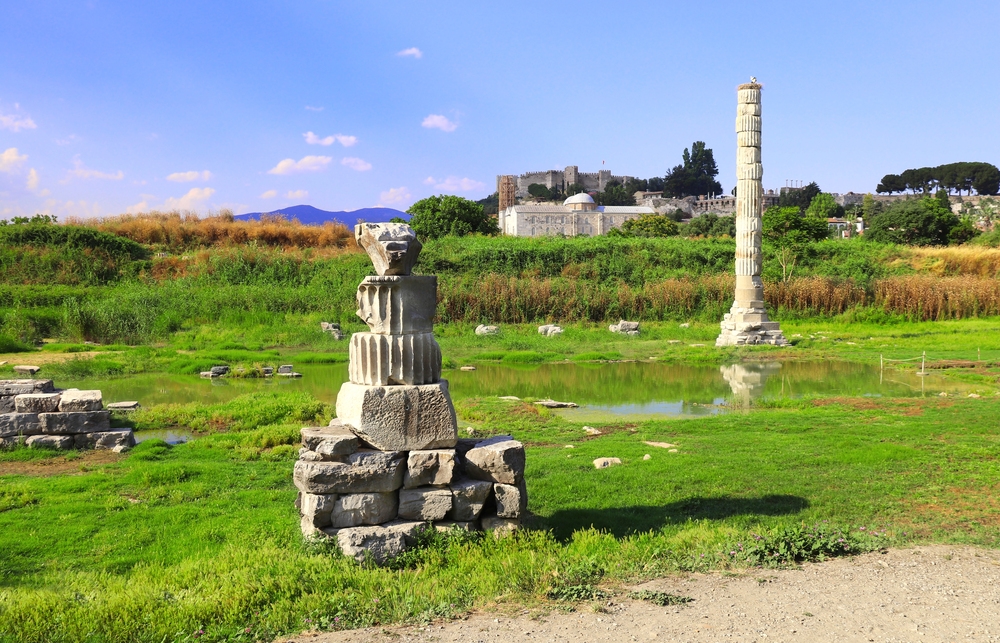
The Temple of Artemis at Ephesus was one of the most magnificent religious structures ever built in the ancient world. Known for its immense size, artistic beauty, and religious importance, the temple earned its place among the Seven Wonders of the Ancient World. Although only fragments remain today, its legacy continues to fascinate historians, archaeologists, and travelers alike.
This guide explores what the Temple of Artemis at Ephesus was, when and why it was built, how Artemis was worshipped there, what led to its destruction, and what visitors can see at the site today.
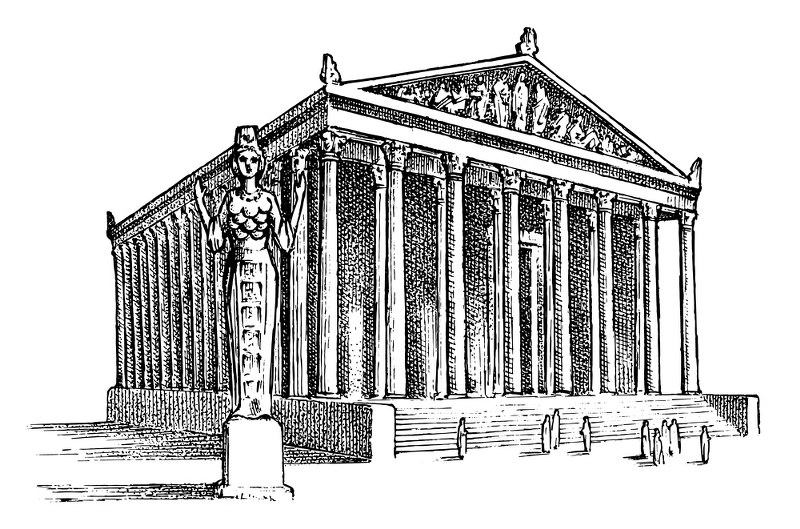
Many people ask when was the Temple of Artemis at Ephesus built. The earliest sanctuary dedicated to Artemis existed as early as the 8th century BCE. However, the most famous version of the temple was constructed around 550 BCE.
The project was sponsored by King Croesus of Lydia, one of the wealthiest rulers of the ancient world. Skilled architects and artisans from across the Greek world contributed to its construction, making it a truly international achievement of its time.
Unlike many Greek temples built on elevated ground, the Temple of Artemis was constructed on a flat plain. This unusual choice required advanced engineering but allowed the structure to reach unprecedented dimensions.
To understand why the Temple of Artemis at Ephesus was built, it is important to understand Artemis’s role in Ephesian society.
Artemis was not only a goddess of hunting and nature but also a powerful protector of fertility, women, and the city itself. In Ephesus, she was worshipped in a unique local form, distinct from the Artemis known elsewhere in Greece.
The temple served multiple purposes:
By constructing such a monumental temple, Ephesus reinforced its status as a major religious and cultural center of the ancient world.
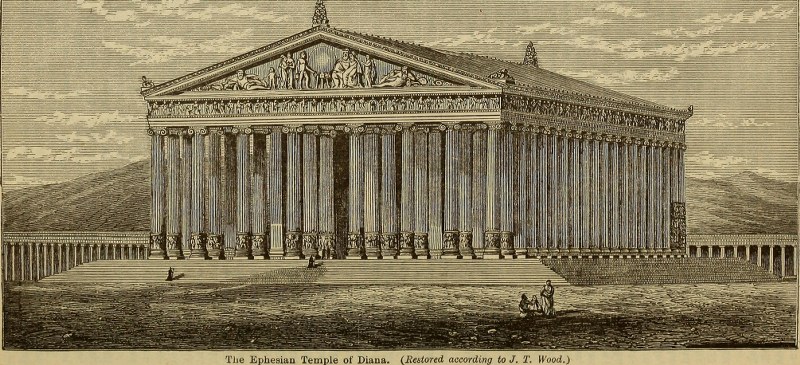
The Temple of Artemis at Ephesus earned its place among the Seven Wonders due to its extraordinary scale and beauty.
Ancient writers described the temple as:
Unlike other wonders that celebrated military power or royal ambition, the Temple of Artemis stood as a testament to religious devotion and artistic excellence.
Its all-marble construction was especially remarkable, as marble was difficult and expensive to quarry and transport in antiquity.
Many visitors wonder how Artemis was worshipped in Ephesus. Worship practices here differed significantly from those in other Greek cities.
The Ephesian Artemis was often depicted with a multi-breasted figure, symbolizing fertility, abundance, and protection. Rituals included:
The temple was not merely a place of worship but the spiritual heart of the city, influencing daily life, economy, and politics.
A common question is what happened to the Temple of Artemis at Ephesus.
In 356 BCE, the temple was deliberately destroyed by a man named Herostratus, who set it on fire in an attempt to achieve fame. Ironically, the destruction occurred on the same night Alexander the Great was born.
The temple was later rebuilt even larger and more magnificent than before. However, its decline began in late antiquity due to several factors:
By the early Byzantine period, the temple was abandoned, and its stones were reused in other buildings.
Today, the Temple of Artemis site is located just outside the modern town of Selçuk, near the ancient city of Ephesus in western Turkey.
Unlike the main ruins of Ephesus, the temple lies in a separate area, emphasizing its once-independent importance as a sacred sanctuary.
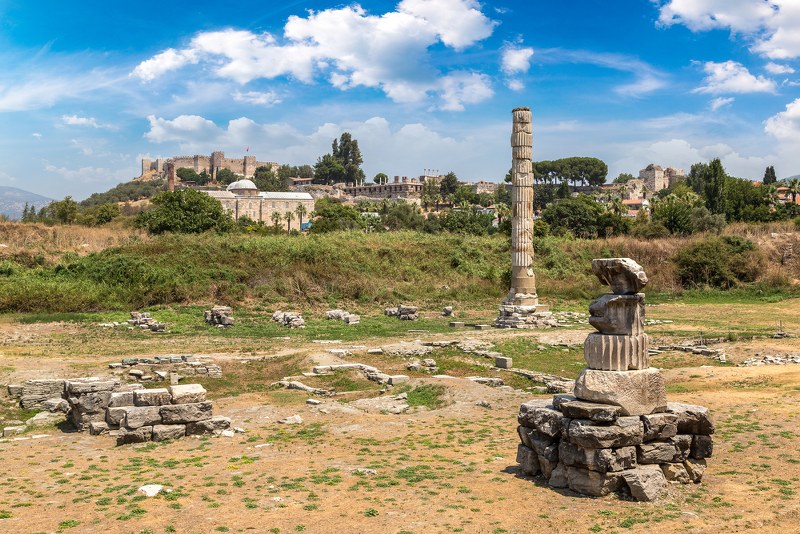
Visitors often ask what remains of the Temple of Artemis today. While most of the structure is gone, the site still holds great historical value.
At the site, visitors can see:
Although less visually impressive than other ruins in Ephesus, the site offers a powerful sense of scale and historical importance.
Most travelers visit the Temple of Artemis as part of a broader exploration of the region. It is commonly included in guided Ephesus tours , alongside the main ancient city and nearby landmarks.
The Temple of Artemis at Ephesus was more than a building—it was a symbol of faith, artistic ambition, and civic pride. As one of the Seven Wonders of the Ancient World, it represented the heights of ancient engineering and religious devotion.
Although time has reduced it to ruins, its story continues to inspire awe. Understanding its history helps modern visitors appreciate why Ephesus was once considered one of the greatest cities of antiquity.

I hold a degree in International Finance and Trade and completed my Master’s degree in Tourism Management at Adnan Menderes University. Since 2013, I have been actively involved in the tourism industry, working across various areas of travel operations, tour planning, and destination-focused services.
Throughout my career, I have combined my academic background with hands-on industry experience, contributing to tour development, customer experience, and content creation for travel-oriented platforms. My work focuses on presenting destinations in a clear, trustworthy, and engaging way for international travelers.
I see travel as more than just movement from one place to another—it is a powerful way to understand cultures, history, and people through direct experience. With this perspective, I aim to share authentic insights and practical knowledge in a sincere and accessible tone.
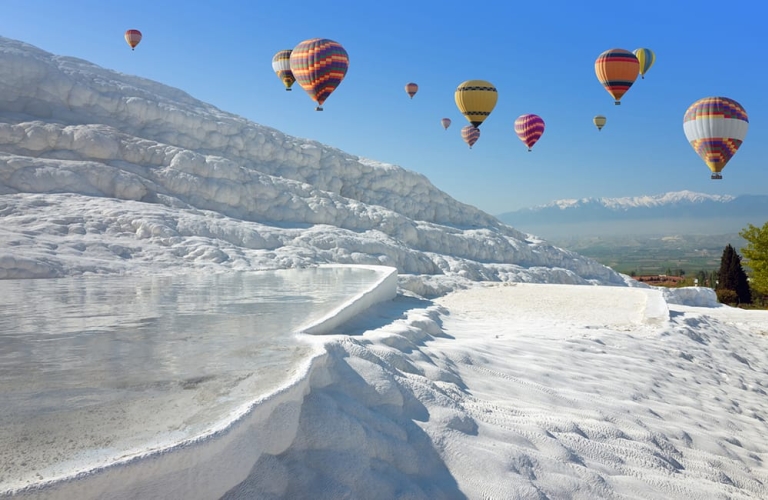
Discover Pamukkale from Kusadasi with lunch, featuring travertines and ancient Hierapolis.
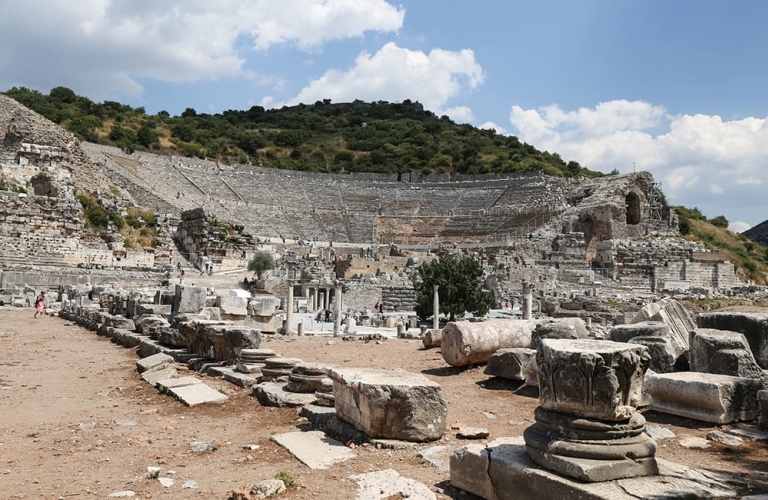
Discover archaeological highlights of Ephesus on a private tour from Kusadasi.
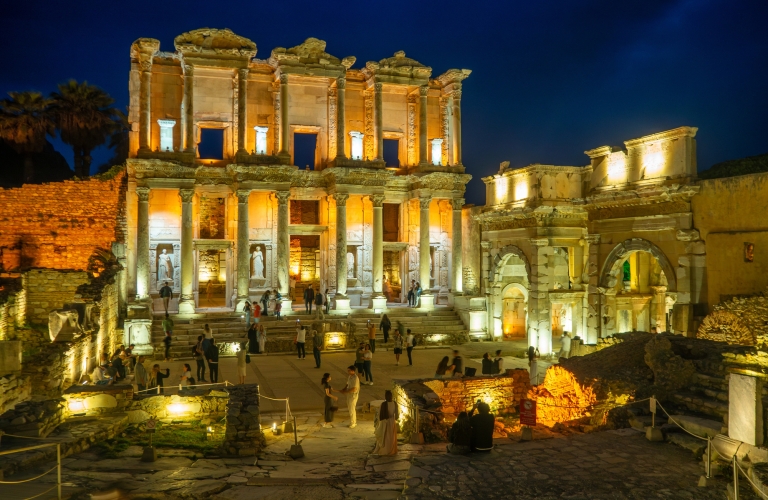
Discover Ephesus by night on a unique evening tour experience.
Disclosure Notice
By filling out this form, you agree that the personal data you provide to us will be processed in accordance with the Personal Data Protection Law No. 6698 and related legislation.
Your personal data will be processed solely for responding to your application, evaluating your requests, and fulfilling legal obligations; it will not be shared with third parties.
For detailed information, you can review our Privacy Policy.
By submitting the form, you acknowledge and consent to the processing of your personal data for the purposes specified above.

